
IRS Levies: How to Protect Your Income and Assets
June 4, 2026
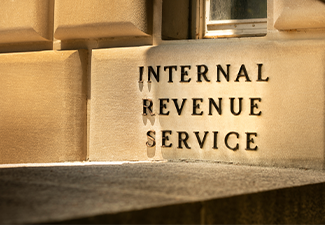 Finding out that the government may seize assets or garnish wages because of unpaid taxes can be unsettling. For many people, tax debt isn’t the result of intentional wrongdoing, but rather the outcome of financial hardship or unexpected life events that make it difficult to keep up with obligations.
IRS levies are one of the most aggressive collection tools in the government's arsenal. Unlike a lien, which is a claim used as security for a debt, a levy is the actual legal seizure of your property to satisfy a tax liability. It can happen quickly once the process begins, leaving you feeling powerless against a massive federal agency.
Deborah Brooks & Associates P.C in Lawton and Oklahoma City, Oklahoma, provides a buffer between the taxpayer and the IRS, advocating for those who feel silenced by the weight of back taxes. Attorney Deborah Brooks helps clients throughout western Oklahoma reclaim their financial stability. If you're facing a notice of intent to levy, call the firm today.
Common Targets for IRS Seizures
The IRS looks for the path of least resistance when collecting debt, which usually means targeting liquid assets or steady streams of money. They want the funds that are easiest to convert into payments for your tax bill. Understanding what they can and cannot take is the first step in building a wall around your livelihood.
Here are the primary ways the IRS might attempt to satisfy a tax debt:
Wage garnishment: This is one of the most common tactics in which the IRS contacts your employer and requires them to withhold a significant portion of your income and send it directly to the government.
Bank account levies: The IRS can issue a levy to your financial institution, which forces the bank to freeze the funds in your account for 21 days before sending them to the IRS.
Social Security benefits: While some federal benefits are protected, the IRS can often take a percentage of your Social Security payments to pay off old tax debts.
Seizure of physical property: In more extreme cases, the IRS can seize and sell physical assets such as vehicles, real estate, or business equipment to satisfy the balance.
Retirement accounts: Funds in a 401(k) or IRA aren't always safe; the IRS has the authority to tap into these accounts, though they usually save this for situations where other assets are unavailable.
Managing these threats requires a clear-eyed look at your total financial picture. Deborah Brooks & Associates P.C. works with clients to categorize their assets and identify which ones are most at risk. They analyze the specific rules surrounding each type of seizure to find potential exemptions or legal shields that can keep your property in your hands.
Strategies to Stop a Levy
Stopping a levy is often about offering the IRS a better alternative than seizing your property. The government generally prefers a steady stream of payments over the administrative headache of seizing and selling a used car or a piece of land. To stop an active or pending levy, you must show that you're willing to resolve the debt and that you have a viable plan to do so.
There are several formal programs designed to resolve tax debt and release levies:
Installment agreements: You can set up a monthly payment plan that allows you to pay off the debt over time while keeping your income and assets intact.
Offer in compromise: This allows you to settle your tax debt for less than the full amount you owe if you can prove that paying the full balance would create a severe financial hardship.
Currently not collectible status: If you can demonstrate that paying anything toward your tax debt would prevent you from meeting basic living expenses, the IRS could temporarily pause all collection activities.
Collection due process hearings: This is a formal appeal in which an experienced bankruptcy lawyer can argue that the levy is unjustified or that a different collection method should be used.
Innocent spouse relief: If the tax debt was caused by a current or former spouse and you didn't know about the errors, you might be able to get the levy removed from your personal assets.
When these strategies are applied correctly, they can provide immediate relief from the pressure of IRS collections. Deborah Brooks & Associates P.C. evaluates each client's unique financial situation to determine which of these paths offers the highest chance of success. They handle the communication with the IRS, verifying that the necessary paperwork is filed correctly.
Finding Peace and Protecting Your Income
Living under the shadow of a government seizure is exhausting, but you don't have to face the IRS alone. There are legal protections in place to make sure that you aren't left destitute because of a tax mistake or a period of financial struggle.
Protecting your income is about more than just numbers; it's about preserving your ability to provide for your family and maintain your dignity. No matter how much you owe or how many notices you've received, there's always a path toward resolution and a fresh start.
Deborah Brooks & Associates P.C. is dedicated to helping people reclaim their lives from the stress of tax debt. The firm helps clients in Oklahoma City, Lawton, and across western Oklahoma find fair and manageable solutions to IRS problems. Reach out today to schedule a consultation.