
What Steps Can You Take Immediately After Vehicle Repossession?
April 29, 2026
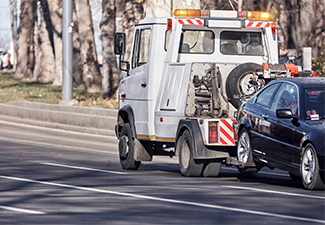 Losing access to a vehicle can create immediate stress and uncertainty. For many people, a car is necessary for commuting to work, caring for family members, and managing everyday responsibilities.
When a vehicle repossession occurs, individuals may suddenly face questions about their financial obligations, transportation options, and legal rights. Although the situation can feel overwhelming, taking thoughtful steps soon after a vehicle repossession may help individuals better understand their options and move forward.
Deborah Brooks & Associates P.C. works with individuals facing financial challenges, including issues related to vehicle repossession. Located in Oklahoma City and Lawton, the firm serves residents throughout western Oklahoma.
After a vehicle repossession, people often want to know what actions they can take to review their rights and responsibilities. Understanding the steps that follow can help individuals address the situation more confidently and identify available options.
Reviewing the Repossession Notice and Loan Agreement
After a vehicle repossession, one of the first steps is to review the original loan agreement and any notices provided by the lender. These documents may explain the lender’s rights, the borrower’s obligations, and the conditions that led to the repossession.
Loan agreements typically outline what happens when payments are missed or when the borrower falls behind on the loan. They may also explain how the lender may proceed with a vehicle repossession and what notices must be provided.
Important items individuals may want to review include:
Missed payment history: The loan agreement often states how many missed payments may trigger vehicle repossession.
Notice requirements: Some lenders must provide written notice before or after repossessing the vehicle.
Redemption or reinstatement terms: The contract may describe how the borrower can regain possession of the vehicle by paying certain amounts.
By carefully reviewing these documents, individuals may gain a clearer understanding of why the vehicle was repossessed and what steps might follow.
Confirming the Legality of the Repossession
Once the loan documents have been reviewed, the next step may be to determine whether the vehicle repossession complied with legal requirements. Although lenders generally have the right to repossess a vehicle when payments fall behind, the process must still follow certain rules.
Repossession agents are usually prohibited from using force or creating disturbances while recovering a vehicle. If the repossession involves property damage or threats, questions may arise about whether the process was handled properly.
Situations that may raise concerns include:
Repossession involving confrontation: Agents generally cannot use threats or physical force to take a vehicle.
Entry onto restricted property: Entering a locked garage or enclosed area may raise legal questions.
Property damage during the repossession: Damage to the borrower’s property during the process may also be reviewed.
If concerns arise about how the vehicle repossession was carried out, individuals may wish to gather information and consider discussing the situation with a legal professional.
Retrieving Personal Property From the Vehicle
Another immediate concern after a vehicle repossession involves personal belongings that may have been inside the car. Many people keep items such as work equipment, documents, or personal belongings in their vehicles.
In many cases, individuals have the right to retrieve personal property that was left inside the vehicle. Lenders typically cannot keep these belongings as part of the repossession process.
Common items people may want to recover include:
Personal documents: Identification cards, insurance paperwork, and financial records may still be inside the vehicle.
Work-related equipment: Tools, uniforms, or electronic devices may be needed for employment.
Household or personal belongings: Bags, clothing, or other personal items may also be inside the car.
Contacting the lender or repossession company may allow individuals to arrange a time to collect their belongings.
While retrieving personal items may provide some relief, many individuals also want to understand what options may exist for getting the vehicle back.
Exploring Options to Recover the Vehicle
After a vehicle repossession, some borrowers may have opportunities to recover the vehicle depending on the lender’s policies and the terms of the loan agreement. These options often appear in the repossession notice or loan contract.
Several possible solutions may exist:
Loan reinstatement: Borrowers may be able to catch up on missed payments and fees to bring the loan current.
Loan redemption: In some cases, the borrower may pay the remaining loan balance to recover the vehicle.
Negotiating payment arrangements: Some lenders may allow borrowers to discuss repayment options before selling the vehicle.
Each lender may have different policies regarding reinstatement or redemption. Because time limits may apply after a vehicle repossession, reviewing notices carefully can be important. If recovering the vehicle isn’t possible, the next concern often centers on what happens after it's sold.
Understanding the Sale of the Repossessed Vehicle
After a vehicle repossession, lenders may eventually sell the vehicle to recover the remaining loan balance. This sale often occurs at an auction or through other resale channels.
Borrowers are typically notified before the vehicle is sold. This notice may include information about the sale date and whether the borrower has the opportunity to redeem the vehicle prior to the sale.
Once the vehicle is sold, several outcomes may occur:
Loan balance paid by the sale: If the sale covers the remaining loan balance, the debt may be satisfied.
Deficiency balance remaining: If the sale price is lower than the remaining loan balance, the borrower may still owe the difference.
Possible collection efforts: Lenders may attempt to collect the remaining balance if the vehicle’s sale does not cover the full amount owed.
Because these outcomes can affect an individual’s finances, reviewing the sale notice and loan balance can help clarify what may happen next.
Experienced Legal Assistance
Vehicle repossession can create difficult financial challenges. Deborah Brooks & Associates P.C. assists individuals reviewing their legal options after a vehicle repossession. Located in Oklahoma City and Lawton, the firm serves residents throughout western Oklahoma. If a vehicle repossession has occurred and you have questions about next steps, contact the firm to review your situation and explore possible solutions.